
For millions across India, chronic pain is not just a symptom; it’s a crippling condition that dictates every aspect of life. From the pervasive ache of arthritis to the burning agony of neuropathy and persistent back issues, the quest for lasting relief is paramount.Traditionally, this journey has led consumers and physicians alike to rely on the powerful arsenal of modern pharmaceuticals—the familiar painkillers.
However, a new contender, rooted in India’s ancient herbal heritage, has emerged: Cannabidiol (CBD). This non-intoxicating compound, derived from the cannabis or Vijaya plant, is rapidly changing the conversation around pain management. But how does this natural alternative truly compare to the established efficacy of traditional medicines? This long-form guide provides a comprehensive, evidence-based analysis of CBD vs Traditional Painkillers, exploring their pros, cons, and the essential safety and legal considerations specific to the Indian market.
The Pharmaceutical Paradigm: Potency with a Price
The world of traditional painkillers is vast, but for the purpose of managing chronic pain, it primarily divides into two major classes: Non-Steroidal Anti-Inflammatory Drugs (NSAIDs) and Opioids.
1. NSAIDs: The Double-Edged Sword of Inflammation Control
NSAIDs, which include common medicines like Ibuprofen, Diclofenac, and Aspirin, are a global first line of defense. Their primary mechanism is straightforward and effective: they inhibit the enzymes responsible for producing pain and inflammation signals (prostaglandins) in the body.
This makes them incredibly valuable for acute, inflammatory pain—think headaches, muscle soreness, menstrual cramps, or mild arthritis flares. They offer rapid, predictable relief.
However, the efficacy of NSAIDs comes with a steep price, particularly when used long-term for chronic conditions. The same enzymes they inhibit for pain relief are crucial for protecting the stomach and lining the kidneys. Prolonged or high-dose use can lead to a litany of severe adverse effects, including Gastrointestinal (GI) bleeding, painful stomach ulcers, and serious damage to the liver and kidneys. For an individual seeking a long-term solution for daily pain, the potential for accumulating organ damage makes NSAIDs an unsustainable choice.
2. Opioids: Maximum Power, Maximum Risk
Opioids, such as Tramadol, Codeine, and their stronger counterparts, are the most powerful pharmaceutical tools available for pain management. They are prescribed for severe, often acute pain, such such as post-surgical recovery or cancer-related pain. They work by binding directly to opioid receptors in the brain and spinal cord, effectively blocking the perception of pain signals.
While their pain-relieving power is unmatched, the risks associated with opioids are alarmingly high. The most notorious danger is the extreme potential for addiction and physical dependency. Even short-term use can lead to dependency and severe withdrawal symptoms upon cessation. Furthermore, they carry the potentially fatal risk of respiratory depression (slowing or stopping breathing) in cases of misuse or overdose. Crucially, opioids do not treat the underlying cause of pain; they simply mask the signal, offering temporary relief while the root problem may continue to worsen.
Introducing CBD: The Path to Balanced Relief
Cannabidiol (CBD) is a naturally occurring compound and one of over a hundred phytocannabinoids found in the cannabis plant. Unlike its cousin, Tetrahydrocannabinol (THC), CBD is not psychoactive, meaning it will not produce the “high” sensation commonly associated with marijuana. This distinction is foundational to its emerging role as a therapeutic agent, especially when discussing the safety of CBD.
The Endocannabinoid System (ECS) and CBD’s Mechanism
To understand CBD benefits for pain relief, one must understand the body’s own regulatory system: the Endocannabinoid System (ECS). The ECS is a complex network of receptors (CB1 and CB2) and natural cannabinoids (endocannabinoids) that works to maintain **homeostasis—or balance— **throughout the body. This includes regulating mood, sleep, immunity, and critically, pain and inflammation.
When you consume CBD oil for pain relief, the compound interacts with the ECS not by binding directly to the receptors like THC, but by influencing them to work more effectively. This mechanism has a dual effect:
1. Anti-inflammatory Action:
CBD is known for its potent anti-inflammatory properties, acting as an agonist on receptors that can reduce inflammatory responses. This targets the source of pain—inflammation— , which is often the primary driver of chronic conditions like arthritis and autoimmune disorders.
2. Pain Signal Modulation:
By influencing the ECS, CBD can help regulate the nerve pathways involved in pain transmission, calming the overactive nerve responses associated with chronic and neuropathic pain.
This fundamental difference means the CBD effects on the body are not about blocking a signal, but about restoring balance. For chronic conditions like fibromyalgia, neuropathic pain, or persistent joint discomfort, this holistic approach offers a gentler, more sustainable form of relief. Evidence suggests that CBD provides moderate efficacy in managing neuropathic pain, fibromyalgia, and chronic joint issues, often improving sleep quality and overall well-being as a secondary benefit.
The Safety Showdown: Long-Term Health vs. Addiction Risk
When comparing any two substances used for long-term health, safety and side effect profiles are paramount. This is where CBD truly distinguishes itself from traditional painkillers.
Addiction and Dependency
The most significant comparative advantage of CBD is its non-addictive nature. Users do not develop a physical dependency on CBD, nor does it carry an overdose risk. This makes it an ideal choice for patients managing chronic pain where relief is needed daily, potentially for years.
In stark contrast, Opioids carry a very high risk of addiction. Even in the case of NSAIDs, patients can develop a reliance simply to function, often masking symptoms that require deeper medical attention. For the chronic pain sufferer in India, choosing CBD removes the dark shadow of dependency that looms large over the use of pharmaceutical narcotic medications.
Side Effects and Organ Health
While no substance is entirely without side effects, the profile of CBD is overwhelmingly milder than that of its pharmaceutical competitors. Reported CBD oil side effects are typically mild and transient, including dry mouth, slight drowsiness, and minor digestive upset like diarrhea. Crucially, high-quality, regulated CBD does not pose the same threat of stomach bleeding, kidney damage, or liver failure that haunts prolonged NSAID use.
However, a serious note of caution remains: Drug-Drug Interactions. CBD can interfere with the body’s metabolism of other medications—specifically, it can inhibit a crucial group of liver enzymes (Cytochrome P450). This means that if you are taking blood thinners, anti-epileptic drugs, or other prescription medications, CBD could potentially increase the concentration of those drugs in your bloodstream, leading to toxicity. Therefore, the decision to buy CBD oil India should always be made in consultation with a qualified medical professional.
Navigating the Indian Landscape: Legality, Quality, and AYUSH
The final, and perhaps most complex, part of the debate in India revolves around legality and product quality. Unlike many Western nations, India’s regulations are rooted in the historical and traditional use of the cannabis plant, known locally as Vijaya.
The Legal Nuance: NDPS Act and the Leaf
The core of legality in India lies in the Narcotic Drugs and Psychotropic Substances (NDPS) Act of 1985. While this Act bans the recreational use of the flowering and fruiting tops of the cannabis plant, it makes a critical exemption: the leaves and seeds of the cannabis plant are not classified as narcotic drugs.
This legal nuance permits the manufacture and sale of legal CBD and cannabis extracts in the country. For a product to be compliant and available to the consumer, it must adhere to two main requirements:
- 1. Source: The product must be derived from the extract of the Vijaya (cannabis) leaf, positioning it as an Ayurvedic CBD product.
- 2. THC Content: The finished product must contain less than 0.3% THC. Reputable brands offering premium CBD wellness India operate under licenses granted by state drug authorities or the Ministry of AYUSH.

The Consumer’s Safety Checklist
- Seek prescription for full spectrum CBD oil India
- Insist on transparency with third party lab tested CBD India
- Verify THC levels
- Choose licensed brands
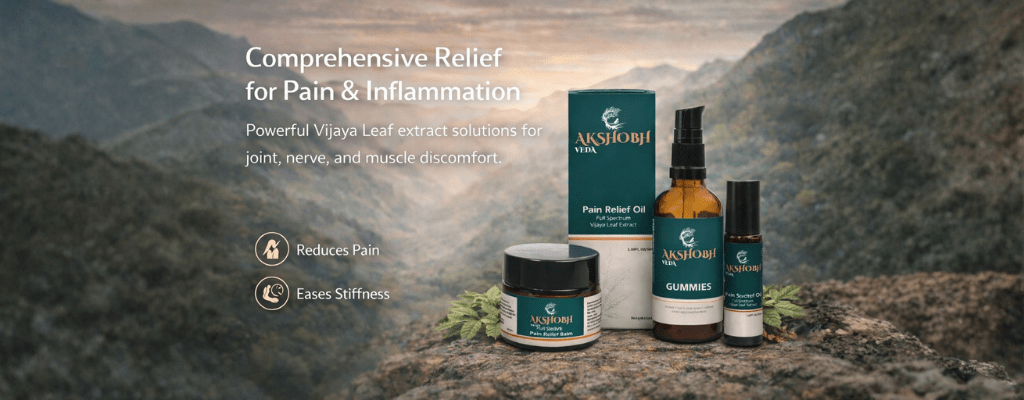
- Select the right format—oral tinctures or CBD topical for pain
Final Verdict: A Balanced Future for Pain Management
The debate between CBD and traditional painkillers is not about one replacing the other entirely, but about choosing the right tool for the right job.
Traditional painkillers are a life-saving necessity for acute, severe pain, offering immediate relief. Their role in trauma, surgery, and end-of-life care is undisputed.
CBD, however, presents a revolutionary alternative for the millions suffering from chronic pain. It offers a path to long-term well-being without the crippling risks of addiction and organ toxicity associated with pharmaceuticals. By engaging with the body’s own system, CBD for pain relief provides CBD health benefits extending beyond pain, including improvements in sleep and CBD and anxiety management.
As the Indian market matures, consumers must educate themselves. By demanding transparency, prioritizing medical guidance, and choosing products that adhere to strict AYUSH and NDPS standards, the people of India can safely integrate this ancient herb into a modern wellness routine and finally find a sustainable solution to chronic pain.