
Diabetes is a chronic metabolic disorder that requires a multi-pronged approach for effective management. While conventional medicine can control blood sugar levels, many people seek natural, holistic solutions to support insulin function, improve pancreatic health, and prevent long-term complications. Ayurveda, India’s ancient system of medicine, offers a treasure trove of herbs that have scientific evidence for regulating blood sugar and supporting metabolic health.
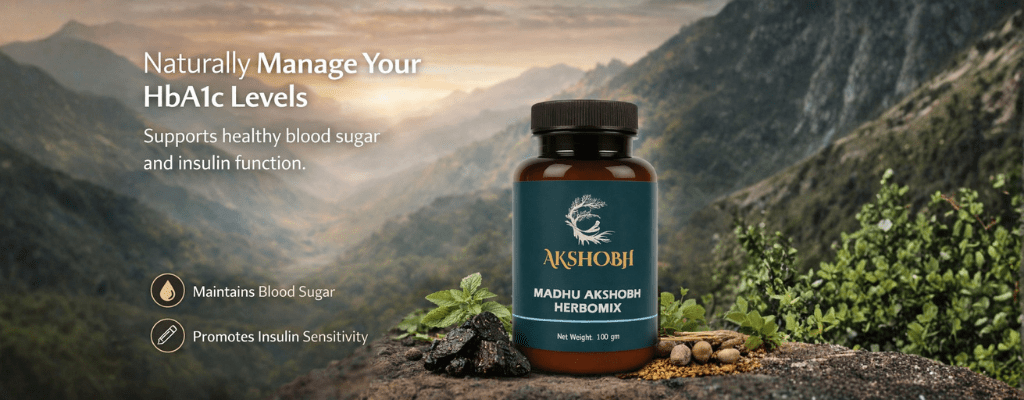
Akshobh Veda MADHU AKSHOBH HERBOMIX combines the top 10 Ayurvedic herbs into a powerful formulation to help manage diabetes naturally. In this blog, we will explore the benefits of each herb and how they work together for holistic diabetes support.
1. Berberine Powder
Scientific Overview:
Berberine is an alkaloid found in plants like Berberis aristata. It has been widely studied for its anti-diabetic properties, particularly in regulating blood glucose and insulin sensitivity.
Mechanism of Action:
- AMPK Activation: Berberine activates AMPK (Adenosine Monophosphate-Activated Protein Kinase), often referred to as the “metabolic master switch.” This improves cellular energy production and enhances glucose uptake.
- Pancreatic Beta-Cell Support: Berberine promotes regeneration and proper functioning of insulin-producing beta-cells.
- Glucose Regulation: Improves insulin sensitivity and reduces insulin resistance.
Health Benefits:
- Supports healthy blood sugar levels
- Enhances metabolism and energy production
- Prevents long-term diabetic complications
2. Vijaysar (Pterocarpus Marsupium)
Scientific Overview:
Vijaysar, also known as Indian Kino, has been traditionally used in Ayurveda for blood sugar management.
Mechanism of Action:
- Improves glucose homeostasis
- Enhances natural insulin activity
- Supports regeneration of pancreatic beta-cells
Health Benefits:
- Helps maintain healthy blood sugar levels
- Reduces risk of hyperglycemia-induced complications
- Works synergistically with other herbs for holistic control
3. Gudmar (Gymnema Sylvestre)
Scientific Overview:
Known as the “sugar destroyer,” Gudmar has a unique ability to reduce sugar absorption in the intestines and modulate glucose metabolism.
Mechanism of Action:
- Suppresses sweet taste perception, reducing sugar cravings
- Regulates glucose transport in the intestines
- Supports insulin secretion and pancreatic function
Health Benefits:
- Helps prevent post-meal sugar spikes
- Promotes long-term blood sugar control
- Reduces sugar dependency and supports weight management
4. Karela (Bitter Gourd)
Scientific Overview:
Karela is rich in bioactive compounds like charantin, polypeptide-p, and vicine that help lower blood sugar naturally.
Mechanism of Action:
- Improves insulin sensitivity
- Enhances glucose uptake by cells
- Supports healthy metabolism
Health Benefits:
- Lowers blood sugar and prevents insulin resistance
- Helps in managing prediabetes and type 2 diabetes
- Improves overall metabolic balance
5. Neem (Azadirachta indica)
Scientific Overview:
Neem has been used in Ayurveda for centuries to support blood sugar and immune function.
Mechanism of Action:
- Promotes pancreatic health
- Enhances glucose utilization
- Reduces oxidative stress in diabetic patients
Health Benefits:
- Supports natural blood sugar regulation
- Boosts immunity, reducing diabetes-related infections
- Offers antioxidant protection
6. Amla (Indian Gooseberry)
Scientific Overview:
Amla is rich in vitamin C and antioxidants, making it a powerful herb for protecting nerves and preventing oxidative damage in diabetes.
Mechanism of Action:
- Reduces free radical damage caused by hyperglycemia
- Supports nerve health and prevents neuropathy
- Improves overall metabolic function
Health Benefits:
- Protects nerves and supports cardiovascular health
- Enhances insulin sensitivity
- Strengthens immunity
7. Jamun (Indian Blackberry)
Scientific Overview:
Jamun seeds are particularly beneficial in regulating blood sugar and supporting pancreatic health.
Mechanism of Action:
- Stimulates insulin secretion
- Supports regeneration of pancreatic beta-cells
- Helps maintain healthy glucose levels
Health Benefits:
- Reduces fasting and post-meal blood sugar spikes
- Supports long-term pancreatic health
- Enhances metabolic balance
8. Seabuckthorn (Hippophae rhamnoides)
Scientific Overview:
Seabuckthorn is rich in omega-3 fatty acids, vitamins, and antioxidants, offering multiple benefits for diabetic patients.
Mechanism of Action:
- Protects nerves from oxidative stress
- Supports metabolic function and glucose regulation
- Enhances cardiovascular and overall health
Health Benefits:
- Prevents diabetic neuropathy
- Promotes healthy metabolism
- Provides essential nutrients for long-term wellness
9. Gilroy (Garlic
Scientific Overview:
Garlic has been shown to support cardiovascular health and improve glucose metabolism.
Mechanism of Action:
- Enhances insulin sensitivity
- Reduces oxidative stress
- Supports heart health, which is crucial for diabetic patients
Health Benefits:
- Improves blood sugar management
- Reduces cardiovascular risk
- Boosts overall metabolic health
10. Tejpan (Bay Leaf)
Scientific Overview:
Bay leaf is often overlooked but plays a significant role in glucose metabolism and digestion.
Mechanism of Action:
- Enhances digestion and nutrient absorption
- Improves glucose homeostasis
- Supports liver and pancreatic function
Health Benefits:
- Supports long-term blood sugar control
- Enhances overall metabolism
- Complements other anti-diabetic herbs for holistic support
Why Combining These Herbs Works
Individually, each herb has proven benefits for blood sugar regulation and metabolic health, but when combined in a formulation like MADHU AKSHOBH HERBOMIX, the effects are synergistic:
- Berberine + Vijaysar: Enhances insulin secretion and AMPK activation
- Gudmar + Karela: Reduces sugar absorption and improves insulin sensitivity
- Amla + Seabuckthorn + Jamun: Protect nerves, reduce oxidative stress, and support metabolism
- Neem + Gilroy + Tejpan: Promote cardiovascular health, immunity, and glucose regulation
This multi-layered approach provides complete support for diabetes management, rather than targeting a single symptom.
How to Use MADHU AKSHOBH HERBOMIX
- Take 1 tablespoon (3–5 gms) with lukewarm water, twice a day before meals
- Recommended 3–6 months duration for optimal results
- Combine with a balanced diet, regular exercise, and stress management for best outcomes